
The Hidden Connection Between pH Balance and Chronic Disease
What if the key to preventing cancer, arthritis, and chronic illness was as simple as understanding your body's pH balance? While this concept might sound too straightforward, emerging research and decades of clinical observation suggest that the acid-alkaline balance in your cells plays a more significant role in disease prevention than most people realize.
Your body maintains a delicate chemical balance that directly influences whether you experience vibrant health or struggle with inflammation and disease. Understanding pH balance—and more importantly, how to optimize it through diet—could be the missing piece in your wellness journey.
Understanding pH Balance: The Foundation of Cellular Health
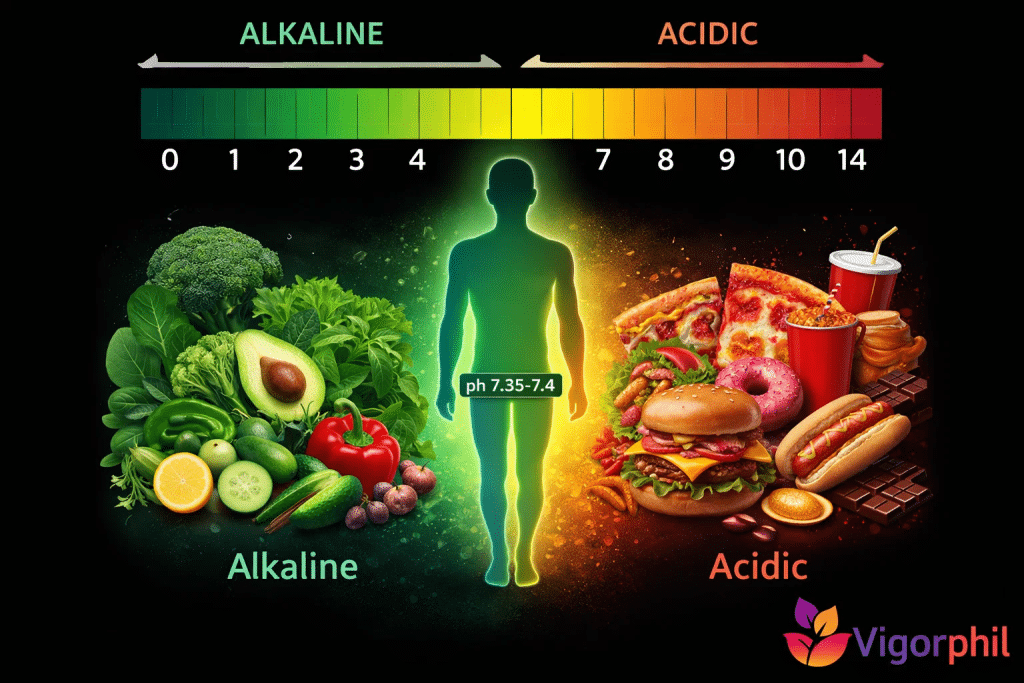
The term “pH” stands for “potential of hydrogen.” When acids dissolve in solution, they release hydrogen ions, while alkaline substances release hydroxide ions. This creates a measurement scale from zero (extremely acidic) to fourteen (extremely alkaline), with seven representing neutral.
Your blood maintains an incredibly specific pH range between 7.35 and 7.45. This narrow window is so critical that even minor deviations can become life-threatening. If blood pH rises to 8, alkalosis occurs, potentially leading to coma. If it drops to 7.22, acidosis sets in with equally dangerous consequences.
Two organs work continuously to maintain this delicate equilibrium: your lungs and kidneys.
How Your Lungs Regulate pH Balance
Have you noticed your breathing becomes deeper during exercise? This isn't coincidental—your body automatically increases respiration to expel carbon dioxide, which creates acidity in the bloodstream. Deep breathing helps maintain proper pH balance by removing excess acid, demonstrating the remarkable intelligence of your body's self-regulating systems.
The Remarkable Work of Your Kidneys
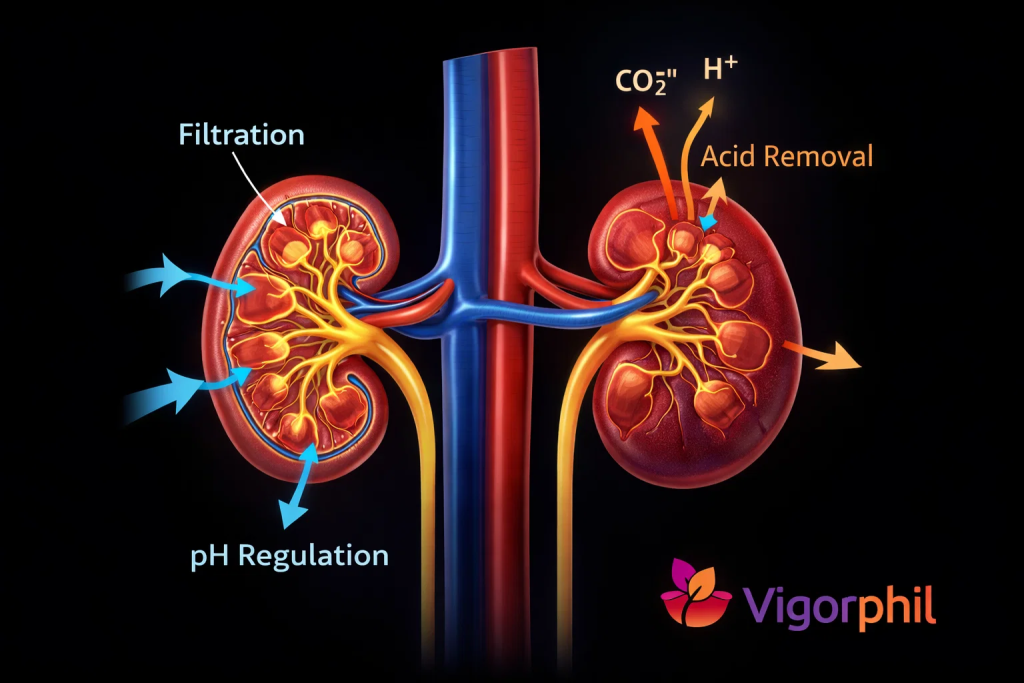
Your kidneys perform an extraordinary function in pH regulation. Inside each kidney are millions of tiny filtering units called nephrons, each containing a structure called the Bowman's capsule. Blood enters these filtering units, circulates around the tubules, and filtered waste exits through the bladder.
Here's what makes this remarkable: these filtering units process approximately 1,800 liters of fluid daily, yet only 1.5 liters leave your body as urine. The remaining fluid gets reabsorbed, and during this process, your kidneys constantly test and adjust your blood's pH.
When blood becomes too acidic, kidneys deposit extra acid into the tubules for elimination. When blood becomes too alkaline, they retrieve acid from the tubules back into the bloodstream. This continuous monitoring happens without conscious thought.
A Remarkable Recovery Story: Supporting Kidney Function Naturally
A health practitioner once worked with a 57-year-old woman facing dialysis. Her legs were severely swollen, and her kidney function had deteriorated dramatically. She consumed only two to three glasses of water daily and drank three cups of caffeinated beverages as a nurse, which further dehydrated her system.
The practitioner created a specialized herbal tea using celery seed, parsley, and couch grass—all powerful kidney-supporting herbs. The woman was instructed to drink one liter of water and one liter of this tea daily, but never a full glass at once. Small amounts throughout the day allowed her kidneys to process fluids properly. She also bounced gently on a mini trampoline for just one minute every hour to stimulate lymphatic drainage.
By Tuesday morning, her leg swelling had reduced by half. Three months later, she no longer needed dialysis. Her liver function tests showed the best results in years, inflammatory markers normalized, and she lost twenty pounds while returning to full-time work. This transformation occurred because she provided her body with optimal conditions for self-healing.
Why Cellular pH Matters More Than Blood pH
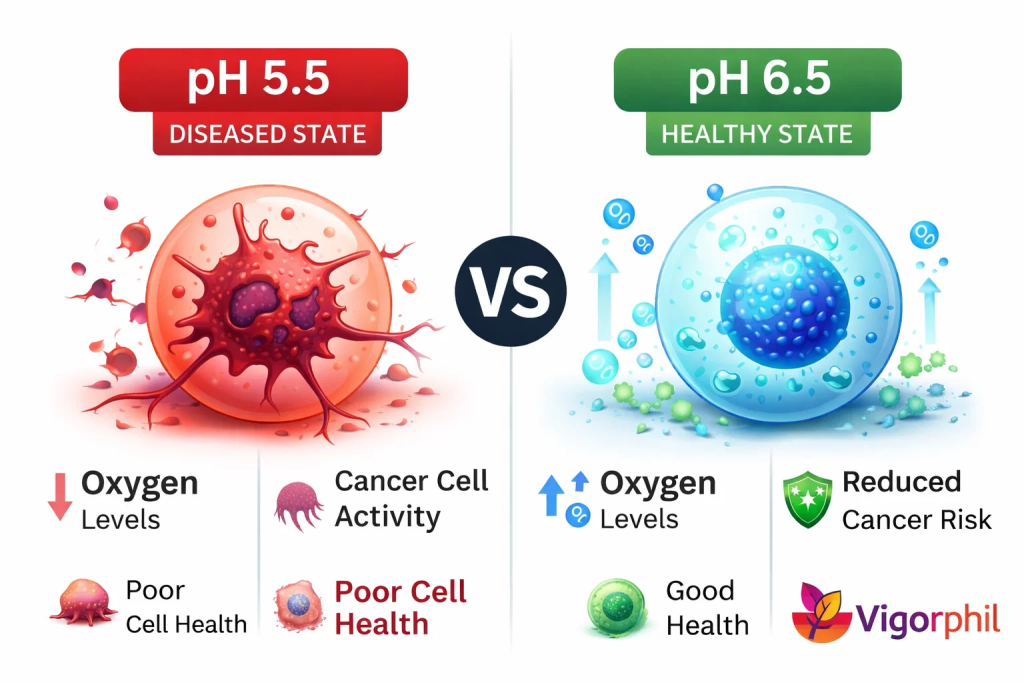
While blood pH remains constant, cellular pH can fluctuate. Optimal cell pH should be approximately 6.5—slightly acidic. There's an important reason for this.
Chemical reactions require specific conditions to occur efficiently. Cells need slight acidity for millions of chemical reactions happening every second in your body. If cellular pH becomes too alkaline, these reactions slow dramatically. If it becomes too acidic, serious problems develop.
Hydroponic gardeners understand this principle intuitively. They constantly test water pH because if water becomes too acidic, plant roots burn. If it becomes too alkaline, minerals don't absorb properly. The same principle applies to your cells.
Watch our complete video guide above for a visual walkthrough of how pH balance affects your health at the cellular level.
For a more detailed explanation with visual demonstrations of how alkaline foods transform your cellular environment, watch our complete video guide above. Don't forget to subscribe to our YouTube channel for weekly natural health tips!
The Disease-Promoting Environment: pH 5.5
At a cellular pH of 5.5, diseases thrive—particularly yeast, fungus, and cancer. Research from natural health specialists reveals three conditions cancer cells prefer most:
- Acidic environments that promote cellular dysfunction
- Low oxygen levels that inhibit healthy cellular respiration
- High sugar availability that feeds abnormal cell growth
When cellular pH drops by just one point, oxygen availability decreases by approximately sixty percent. This creates ideal conditions for disease development.
Health practitioners who successfully help patients address cancer focus on three strategies: highly alkalizing the tissues, increasing cellular oxygen, and greatly reducing glucose and sugar intake.
The Calcium Paradox: Understanding Bone Spurs and Deposits
Have you wondered why calcium deposits form on bones instead of inside them? This phenomenon reveals how your body manages pH balance during crisis.
Imagine someone consistently breaking health principles: breathing polluted air, avoiding sunshine, consuming stimulants, staying up late, avoiding exercise, eating processed foods, not drinking enough water, and living under constant stress.
This lifestyle creates extreme cellular acidity. As blood pH drops toward danger levels (7.33, 7.32, 7.31), the body must act immediately. Remember, 7.22 means death. The body's emergency response pulls calcium phosphate from bones—an extremely alkaline mineral that floods the bloodstream and immediately raises pH back to 7.35. Crisis averted.
But now excess calcium circulates through the bloodstream. The body must deposit it somewhere: on bones (creating bone spurs), in kidneys (forming kidney stones), in the gallbladder (creating gallstones), or even on the eyes (forming cataracts).
Alkaline Foods That Transform Your Health
Understanding which foods create an alkaline cellular environment is crucial for disease prevention. Let's explore the most powerful alkaline-forming foods.
Lemons: The Surprising Alkaline Powerhouse
Despite being acidic in taste, lemons create an alkaline effect after digestion. When you consume a lemon, it's appropriately acidic in your stomach (which should be acidic to break down proteins). However, once digested and minerals are absorbed into blood and tissues, it produces an alkaline effect.
Why? Lemons are extremely high in alkaline minerals: sodium, potassium, calcium, magnesium, and iron. Every home should have access to fresh lemons. If you live in an apartment, consider growing a lemon tree in a container on your balcony.
Dark Green Leafy Vegetables: Nature's pH Balancers
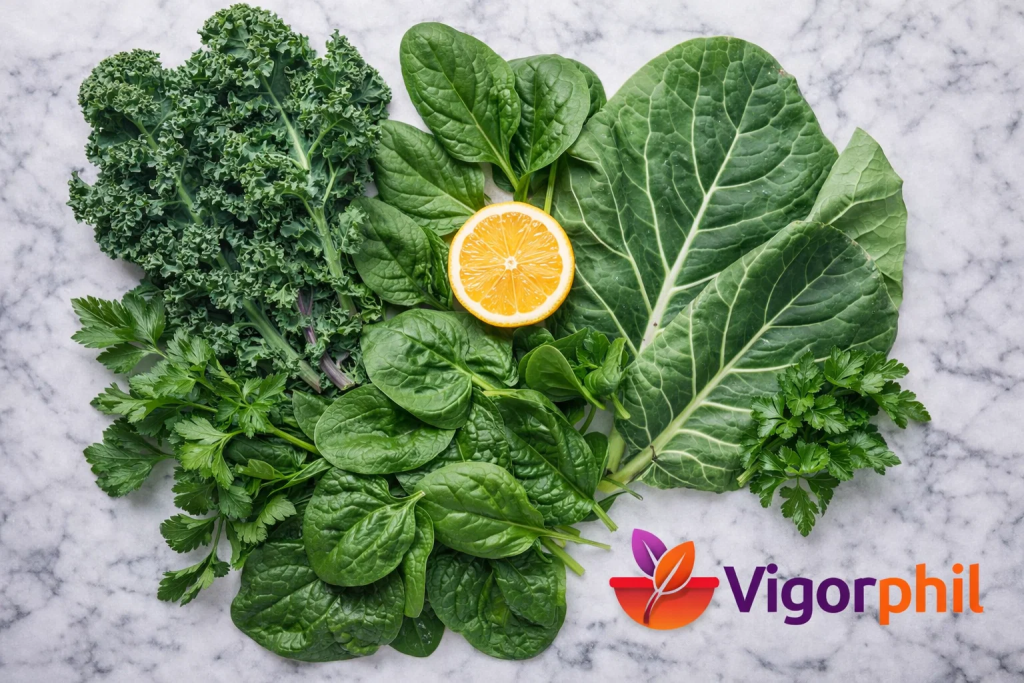
Dark green leafy vegetables create powerful alkaline effects. Kale, parsley, collard greens, spinach, and chard should be consumed daily. If you don't eat something from the dark green vegetable family each day, consider supplementing with green barley powder or a comprehensive super greens formula.
Looking for high-quality, organic green supplements to support your alkaline lifestyle? Explore our curated selection at https://vigorphil.com/healthstore, where we've hand-selected premium plant-based products to support your wellness journey.
The Nightshade Question: Individual Sensitivity Matters
Most vegetables have alkaline effects, but four vegetables require individual assessment: tomatoes, bell peppers, eggplant, and white potatoes (not sweet potatoes, which are actually yams). These belong to the nightshade family.
For some people, nightshades have alkaline effects. For others, they create acidity and inflammation. One practitioner discovered through personal experience that tomatoes in small amounts were acceptable, but bell peppers caused severe digestive distress and energy loss.
A woman who conquered rheumatoid arthritis did so by eliminating nightshades. Even her swollen joints reduced significantly. After months of healing, her body tolerated half a tomato every second day, no bell peppers, occasional eggplant, and potatoes twice weekly.
The lesson? Your body will tell you what works. Listen to its signals.
Lycopene: The Prostate-Protective Compound
When tomatoes are cooked with olive oil, they release lycopene—a fat-soluble plant compound. Lycopene is a potent antioxidant that reduces prostate inflammation. Every man over forty should consume cooked tomato and olive oil dishes three to four times weekly.
Alkaline Legumes, Grains, Nuts, and Seeds
Alkaline Legumes:
- Lima beans
- Lentils
- Organic soy products
Alkaline Grains:
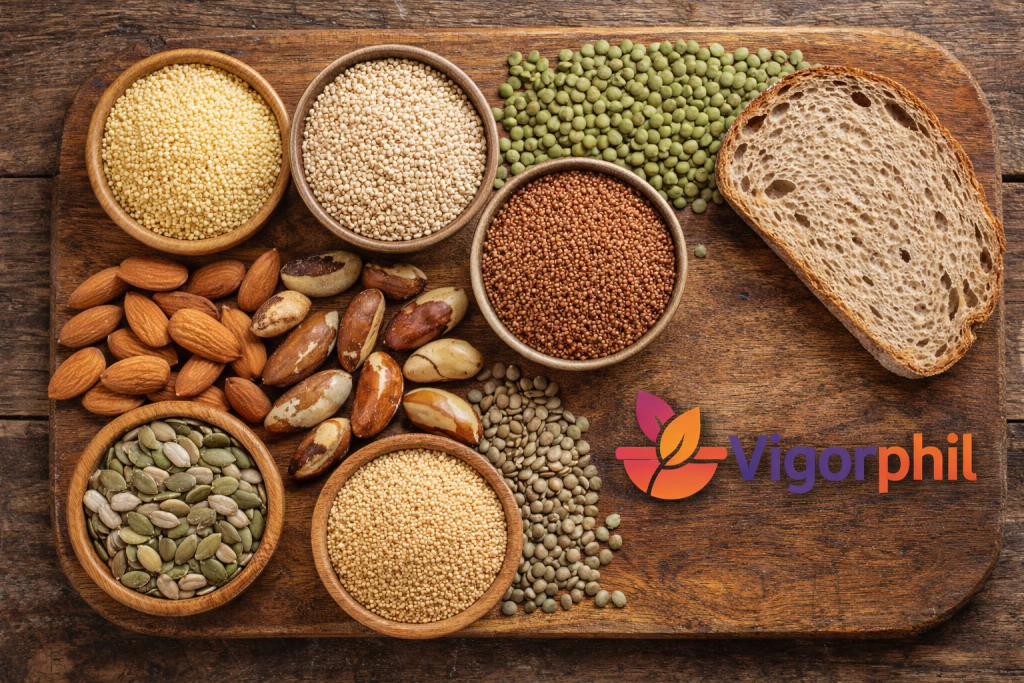
- Millet: A delicious, mild grain perfect with stewed fruit or savory lentil dishes
- Quinoa: Gluten-free and protein-rich
- Amaranth: An ancient grain with sticky texture when cooked, traditionally eaten by ancient civilizations
Ancient Wheat Alternatives:
Spelt and kamut are wild hybrids of original wheat. Modern wheat underwent intensive cross-breeding in the 1950s, creating an incredibly complex gluten structure most people cannot properly digest. By the 1970s, this hybridized wheat spread worldwide.
Farmers favored it because it produced six times more grain per acre. However, safety studies were never conducted, explaining today's epidemic of gluten intolerance. The two most common symptoms: brain fog and bloating.
Spelt and kamut retained the simpler gluten structure of ancient wheat. When spelt is made into genuine sourdough bread, the culturing process breaks down protein structure further. People who are gluten-sensitive (not celiac) can usually handle spelt sourdough bread.
Alkaline Nuts and Seeds:
- Almonds
- Brazil nuts
- All seeds (pumpkin, sunflower, chia, flax, hemp)
You can find pure, organic almonds, Brazil nuts, and other alkaline-forming foods in our health store at https://vigorphil.com/healthstore, carefully selected for quality and purity.
The Fruit Question and Yeast Overgrowth
Fruit presents a nuanced consideration. If someone has yeast overgrowth and consumes lots of fruit, the sugar feeds the yeast. As yeast consumes fruit sugars, it produces acetic acid, lactic acid, and uric acid, creating the 5.5 pH environment where it thrives.
Yeast also produces alcohol as a byproduct. Alcohol breaks down into acetaldehyde—a neurotoxin that damages brain cells. Five ways you can be exposed to acetaldehyde include:
- Consuming alcohol directly
- Having yeast overgrowth while eating lots of fruit
- Cigarette smoke exposure
- Car exhaust fumes
- Vinegar consumption
This is why health-conscious practitioners use lemon instead of vinegar—it's superior for both taste and health.
Acid-Forming Foods to Minimize
Acid-forming foods are high in phosphorus, sulfur, and chlorine:
- Animal products: Create highly acidic environments
- Refined sugar: Extremely acid-forming
- Hybridized wheat: Highly acidic and difficult to digest
- Aged cheese: Especially varieties with mold (blue cheese)
- Stimulant beverages: Acid-forming, usually paired with sugar
- Most grains: Except millet, quinoa, amaranth, spelt, and kamut
- Most legumes: Except lima beans, lentils, and soy
- Most nuts: Except almonds and Brazil nuts
The 80-20 Rule for Optimal Health
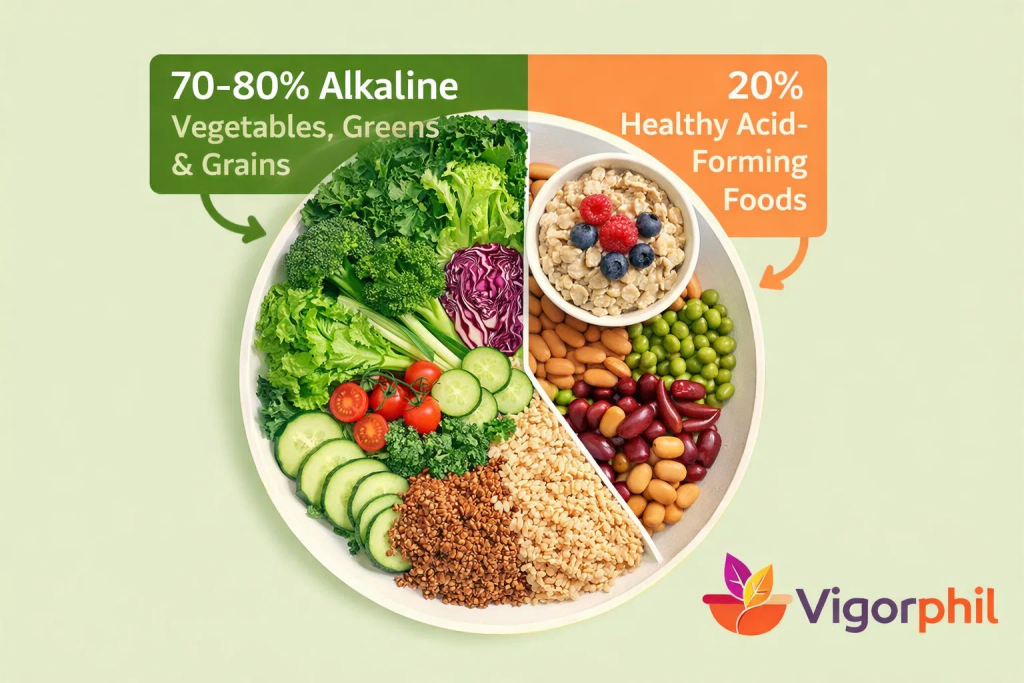
To maintain a healthy 6.5 cellular pH environment, consume seventy to eighty percent alkaline-forming foods and twenty percent acid-forming foods. The twenty percent should come from healthy sources like oatmeal, brown rice, chickpeas, black-eyed peas, and kidney beans.
These aren't inherently bad foods—your body needs some acidity. Disease takes hold when the entire diet is predominantly acidic.
Consider typical modern eating patterns: most people consume ninety percent acid-forming foods and only ten percent alkaline foods. This explains why cancer and heart disease compete for the top killer position worldwide.
The Blue Zones: Living Proof of Alkaline Living
Approximately fifteen years ago, researchers studied populations commonly living into their hundreds with excellent quality of life. Three groups stood out:
- The Okinawans: Living on a Japanese island, including an 85-year-old woman photographed collecting seaweed in shallow waters
- The Sardinians: From Italy, including a 90-year-old man who climbed steep hills to check his goats while journalists struggled to keep pace
- Seventh-day Adventists: A religious group with significantly better health outcomes than average populations
These groups shared three factors:
- Remained physically active throughout life
- Ate food in its natural state, mostly plant-based
- Maintained strong social connections
Practical Steps to Alkalize Your Body Today
One of the easiest ways to shift your pH toward alkaline is consuming more vegetables, especially dark leafy greens. Start exploring ancient grains like millet, quinoa, and amaranth. Introduce spelt sourdough bread if you're gluten-sensitive.
Gradually, without dramatic changes that might alarm family members, you can create an alkaline environment in everyone's body. The best approach? Say little and simply create beautiful, delicious food. When they notice feeling better and ask what you've done differently, then share. Let results speak before words.
Understanding Disease pH Environments
At pH 5.5, disease thrives. Yeast, fungus, and cancer grow rapidly in this acidic environment. When cellular pH drops by just one point, oxygen availability decreases by sixty percent.
Cancer cannot survive in a highly oxygenated, alkaline environment. Some health retreats use hyperbaric oxygen chambers to flood the body with oxygen under pressure. Combined with highly alkalizing diets and minimal sugar intake, this creates an environment where cancer struggles to survive.
Newton's Third Law Applied to Health
To every action, there's an equal and opposite reaction. This law continuously works as nature's equalizer, setting compensatory forces in motion to remedy every imbalance. This is the true cause of disease: imbalance.
When you understand this principle, you see that bone spurs, kidney stones, gallstones, and cataracts aren't random occurrences. They're your body's response to chronic acidity—pulling calcium from bones to save your life, then dealing with excess calcium by depositing it elsewhere.
The Power of Cellular Environment
Your cellular environment determines health outcomes more than genetics, age, or luck. When you create an alkaline cellular environment with pH 6.5, you make it difficult for disease to establish itself. When you allow chronic acidity with pH 5.5, you create perfect conditions for disease to flourish.
This isn't complicated or expensive. It requires understanding which foods create which environments, then making conscious choices toward alkalinity: seventy to eighty percent alkaline-forming foods and twenty percent acid-forming foods from healthy sources.
Every meal is an opportunity to support your body's healing capacity. Every glass of lemon water, every serving of dark leafy greens, every bowl of millet or quinoa, every handful of almonds—these aren't just foods. They're medicine. They're your body's building blocks for creating an environment where health thrives and disease struggles.
Final Thoughts: Your Health Is in Your Hands
The people living in Blue Zones don't obsess over pH levels or mineral ratios. They simply eat traditional, natural foods, stay active, and maintain strong social bonds. They live long, healthy lives as a natural result.
You can create the same results by understanding and applying these principles. Your kidneys are working right now, filtering 1,800 liters daily, testing and adjusting pH continuously. Your lungs are expelling carbon dioxide, maintaining acid-base balance with every breath. Your body is fighting for your health every single moment.
Give it the raw materials it needs to win that fight.
Alkalize your tissues with lemon, dark greens, vegetables, ancient grains, and alkaline legumes. Minimize acid-forming foods, especially refined sugar and processed grains. Stay hydrated with clean water. Move your body. Manage stress. Connect with others.
These simple principles create extraordinary health outcomes.
Take Action Today
You now have knowledge that most people never learn. What will you do with it? Will you continue eating ninety percent acid-forming foods and wonder why you feel terrible? Or will you flip that ratio, choose seventy to eighty percent alkaline foods, and experience the vibrant health your body is capable of creating?
Have questions or success stories? Share them in the comments below, and don't forget to subscribe to our newsletter for exclusive natural health insights delivered weekly!
Which alkaline-forming principle will you implement first? Drop your answer in the comments, and if you found this information valuable, please share this article with someone who needs it.
Medical Disclaimer: This information is for educational purposes and not medical advice. Consult with a qualified healthcare provider before making significant health or dietary changes, especially if you have existing health conditions or take medications.