
Introduction: Understanding Why Facial Hair Appears in Women
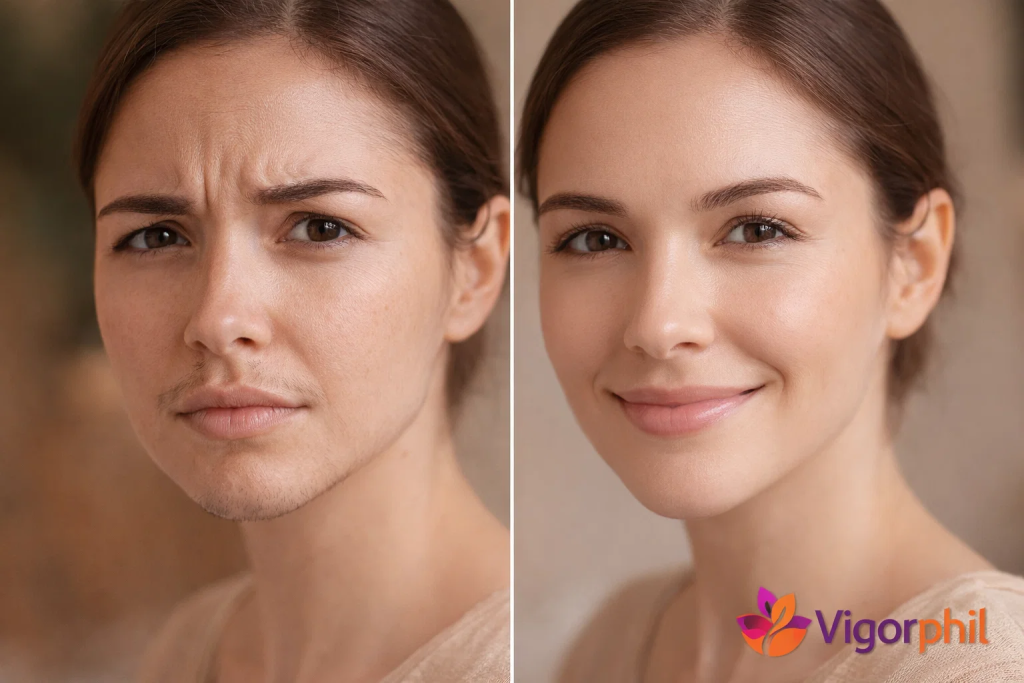
Unwanted facial hair affects millions of women worldwide, causing emotional distress, diminished self-confidence, and frustration. If you've noticed dark, coarse hair growing on your upper lip, chin, or jawline, you're not alone. This condition, medically known as hirsutism, is far more common than most people realize, and it's almost always rooted in hormonal imbalance rather than genetics or bad luck.
The good news? You can reduce facial hair in women naturally through targeted lifestyle changes, plant-based nutrition, and time-tested topical remedies. Unlike harsh chemical treatments or expensive laser procedures, natural approaches work with your body's innate healing mechanisms to restore hormonal balance from the inside out.
In this comprehensive guide, you'll discover seven evidence-based natural remedies that address both the symptoms and root causes of unwanted facial hair. We'll explore how hormonal imbalance triggers hair growth, which foods support healthy estrogen levels, and how simple home treatments can gradually reduce and thin facial hair over time.
What Causes Facial Hair Growth in Women?
The Hormone Connection: Androgens and Estrogen
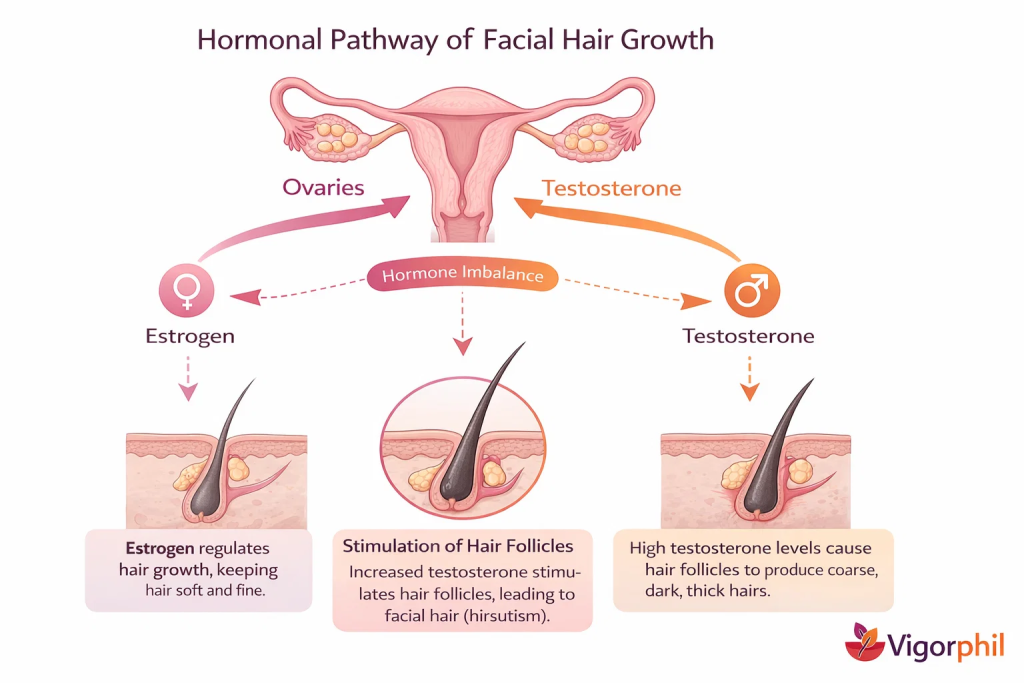
Facial hair growth in women stems primarily from hormonal imbalance, specifically an overabundance of androgens (male hormones) relative to estrogen (female hormones). Every woman produces both types of hormones, but the delicate balance between them determines whether you develop masculine traits like facial hair.
When testosterone and other androgens rise disproportionately, or when estrogen levels drop significantly, the body responds by producing hair in typically male-pattern areas. This includes the face, chest, back, and abdomen. The hair that grows tends to be darker, coarser, and more visible than the fine vellus hair that naturally covers most of the body.
Health specialists explain that this hormonal shift doesn't occur randomly. Multiple factors contribute to the imbalance, including excess body weight, chronic stress, poor nutritional choices, sedentary lifestyle, and underlying medical conditions.
PCOS: The Leading Cause of Hormonal Facial Hair
Polycystic ovary syndrome (PCOS) has become alarmingly prevalent in modern society, now affecting approximately seven out of ten teenage girls according to recent health assessments. This statistic reveals just how widespread hormonal disruption has become, likely due to environmental toxins, processed foods, and increasingly sedentary lifestyles.
PCOS disrupts normal ovarian function, causing the ovaries to produce excessive androgens. Women with PCOS often experience irregular periods, weight gain (particularly around the midsection), acne, thinning scalp hair, and unwanted facial hair growth. The condition creates a vicious cycle where insulin resistance leads to increased androgen production, which further worsens metabolic dysfunction.
Fortunately, natural interventions can significantly improve PCOS symptoms and reduce facial hair growth. Plant-based nutrition, targeted supplementation, regular physical activity, and stress management all play crucial roles in restoring hormonal balance for women with this condition.
Menopause and Perimenopause Facial Hair
Women transitioning through perimenopause and menopause frequently notice increased facial hair for the first time in their lives. As estrogen production naturally declines during this life stage, the ratio of androgens to estrogen shifts dramatically. Even though absolute testosterone levels may not increase, the relative dominance of androgens triggers masculine hair growth patterns.
This hormonal transition typically begins in the mid-to-late forties and can last several years. Beyond facial hair, women may experience hot flashes, night sweats, mood changes, sleep disturbances, and changes in skin texture. Addressing these symptoms through natural hormone-balancing strategies can improve quality of life significantly.
Other Contributing Factors
Beyond PCOS and menopause, several other factors can trigger or worsen facial hair growth in women:
Medications: Certain drugs, including some steroids, immunosuppressants, and hormonal treatments, can stimulate unwanted hair growth as a side effect.
Thyroid disorders: Both hypothyroidism and hyperthyroidism can disrupt the delicate balance of reproductive hormones, leading to facial hair growth.
Insulin resistance: Even without a PCOS diagnosis, insulin resistance independently increases androgen production and contributes to hirsutism.
Chronic stress: Prolonged stress elevates cortisol levels, which can interfere with sex hormone production and balance.
Adrenal gland disorders: Rare conditions affecting the adrenal glands can cause excessive androgen production.
Understanding the root cause of your facial hair growth is essential for choosing the most effective natural remedies. For persistent or severe cases, consulting with a healthcare practitioner can help identify underlying conditions that may require additional support.
Watch our complete video guide above for a visual walkthrough of these natural remedies and demonstrations of application techniques.
Seven Natural Remedies to Reduce Facial Hair in Women
1. Turmeric and Gram Flour Treatment: Ancient Wisdom for Modern Problems
One of the most effective ways to reduce facial hair in women naturally involves a traditional remedy that has been used for centuries throughout South Asia. This powerful combination harnesses the anti-inflammatory properties of turmeric, the gentle exfoliating action of gram flour, the lightening effects of lemon juice, and the soothing qualities of sandalwood.
Why This Works:
Turmeric contains curcumin, a bioactive compound with potent anti-inflammatory and antioxidant properties. Research has shown that curcumin can inhibit hair follicle activity and slow hair growth when applied topically. Gram flour (also called besan or chickpea flour) gently exfoliates dead skin cells while providing protein and vitamins that nourish the skin. Lemon juice acts as a natural bleaching agent, lightening dark hair and making it less noticeable. Sandalwood powder soothes irritation and provides aromatic benefits.
How to Prepare and Apply:
Start with three teaspoons of gram flour in a clean mixing bowl. Add two teaspoons of high-quality turmeric powder. Squeeze the juice from half a fresh lemon directly into the mixture. Add two small pinches of pure sandalwood powder. Mix all ingredients thoroughly, adding a few drops of water if needed to achieve a smooth, spreadable paste with a consistency similar to yogurt.
Cleanse your face thoroughly and pat it dry before application. Using clean fingertips or a cosmetic brush, apply the paste evenly across all areas where unwanted hair grows. Don't limit application to just the problem areas; covering the entire lower face creates a more uniform treatment effect. Leave the mask on for fifteen to twenty minutes, allowing the active compounds to penetrate hair follicles and skin cells.
When ready to remove, rinse thoroughly with lukewarm water, using gentle circular motions to take advantage of the gram flour's exfoliating properties. Pat your face dry with a clean towel and avoid applying any other products for at least thirty minutes to allow your skin to fully absorb the beneficial compounds.
Treatment Protocol:
For optimal results, health practitioners recommend applying this treatment daily for one full month. Consistency is crucial when using natural remedies, as they work gradually rather than producing instant results. Most women notice visible improvements within two to three weeks, with hair becoming finer, lighter, and less noticeable over time.
Beyond hair reduction, this treatment offers additional skincare benefits. Regular use brightens overall skin tone, reduces hyperpigmentation, improves skin texture, and creates a healthy, natural glow. The anti-inflammatory properties also help calm acne and reduce redness.
Looking for high-quality, organic ingredients to create this powerful treatment? Explore our carefully curated selection of natural remedies at https://vigorphil.com/healthstore, where we offer pure turmeric powder, authentic sandalwood, and other premium ingredients.

2. Sugar Exfoliation Method: Mechanical Hair Removal That Lasts
The sugar exfoliation method offers a natural alternative to commercial waxing or depilatory creams. This gentle yet effective technique combines mechanical hair removal with skin brightening properties, leaving your face smoother and hair-free for up to six weeks with consistent use.
The Science Behind Sugaring:
Unlike traditional waxing, which adheres to both skin and hair, sugar paste primarily attaches to the hair shaft itself, minimizing skin irritation. The natural acids in lemon juice help break down the protein bonds in hair follicles while simultaneously lightening remaining hair. This dual-action approach makes hair less noticeable even as new growth appears.
Preparation Instructions:
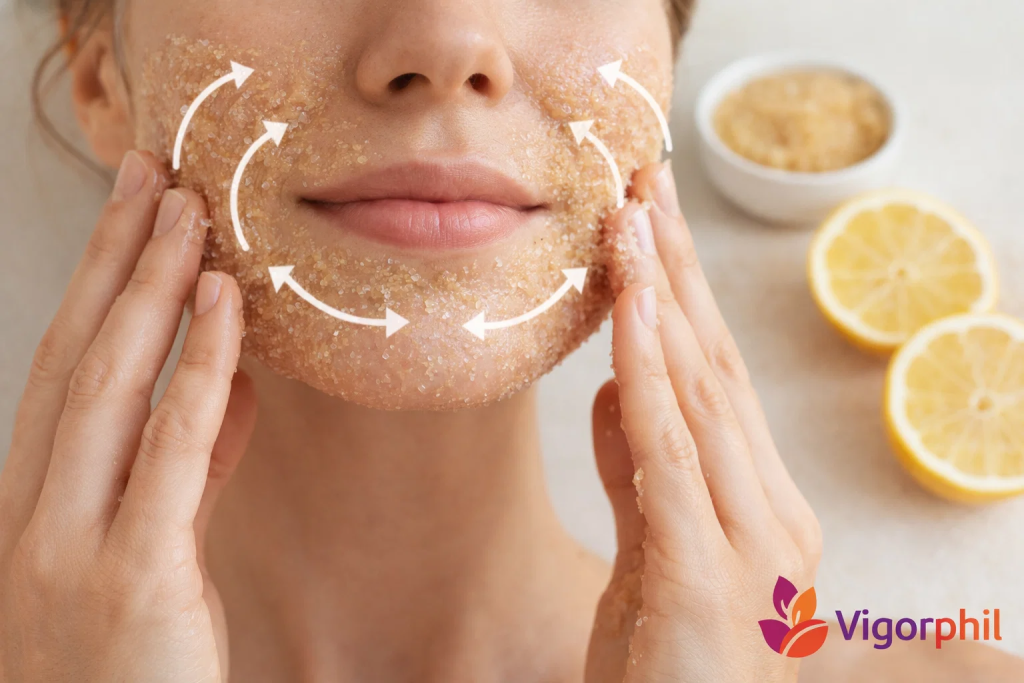
Squeeze the juice from half a fresh lemon into a small, clean container. Add one tablespoon of granulated sugar to the lemon juice. Stir in just enough water to create a thick, spreadable paste with a consistency similar to wet sand or thick honey. The paste should hold together when scooped but spread easily across the skin.
Important tip: Choose sugar with smaller granules rather than large crystals. Superfine or caster sugar works best for facial use, as it provides effective exfoliation without being overly abrasive on delicate facial skin.
Application Technique:
Cleanse your face thoroughly and ensure your skin is completely dry before beginning. Take a small amount of the sugar paste and apply it to the desired area using firm, circular motions. The circular movement helps the sugar granules catch and pull hair while exfoliating dead skin cells.
Continue rubbing for two to three minutes per area, maintaining gentle but consistent pressure. You'll feel the paste gradually breaking down as you work. The mechanical action helps remove fine facial hair while the lemon juice works to lighten any remaining stubble.
Rinse thoroughly with cool water, which helps close pores and soothe the skin. Pat dry gently and avoid touching your face for several hours to prevent introducing bacteria to freshly exfoliated skin.
Expected Results:
With consistent application two to three times weekly, many women find their facial hair becomes finer, lighter, and slower to regrow. The exfoliation process also promotes cell turnover, revealing brighter, smoother skin beneath. Some women report maintaining hair-free skin for up to six weeks once they establish a regular treatment routine.
3. Honey and Lemon Moisture Treatment: Nourish While You Remove
The honey and lemon treatment offers the gentlest option for women with sensitive skin who want to reduce facial hair in women naturally without harsh chemicals or abrasive scrubbing. This moisturizing treatment inhibits hair growth while simultaneously nourishing and brightening the complexion.
Why Honey Works for Hair Reduction:
Raw honey contains natural enzymes that have been shown to inhibit hair follicle activity when applied regularly over time. These enzymes work at the cellular level to slow hair production, making each hair growth cycle longer and producing finer, lighter hair with each new growth. Beyond its hair-reducing properties, honey is renowned for its antibacterial, anti-inflammatory, and deeply moisturizing qualities.
Preparation and Application:
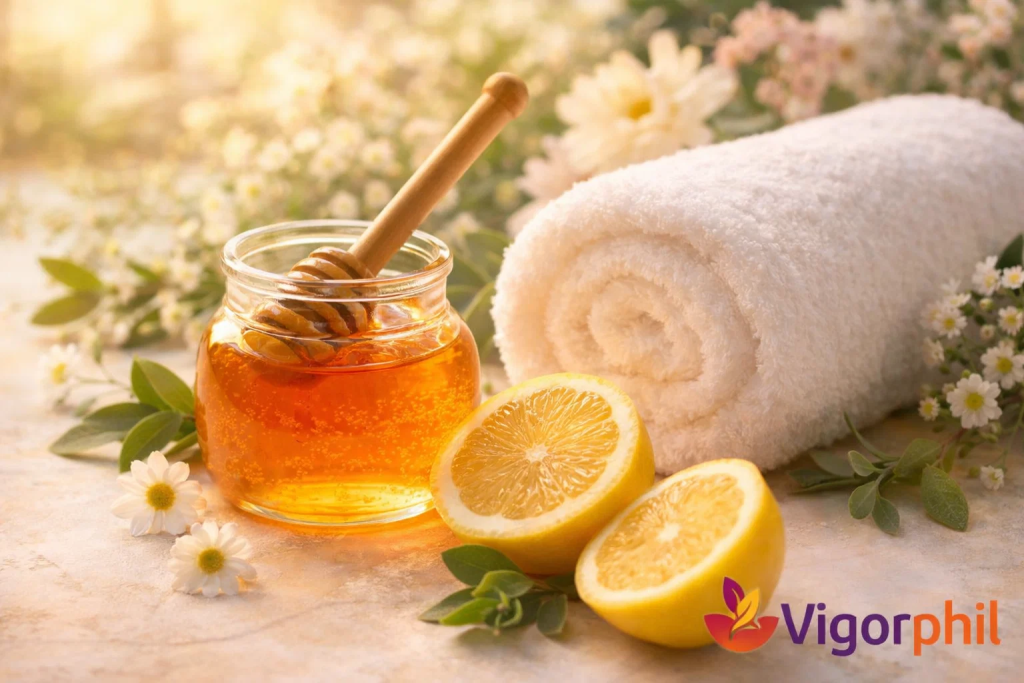
Mix one tablespoon of pure, raw honey with one tablespoon of freshly squeezed lemon juice in a small bowl. Stir until the ingredients are fully combined and the mixture has a uniform consistency. The combination should be thick enough to stay in place when applied but liquid enough to spread easily.
Apply the honey-lemon mixture generously to all areas where you want to reduce hair growth. Don't be stingy with application; a thick layer ensures better penetration of the active compounds. Leave the treatment on for exactly twenty minutes to allow the enzymes time to work.
Special Removal Technique:
The removal method for this treatment is particularly important for maximizing benefits. Take a soft cloth napkin or Turkish towel and fold it into a manageable size. Soak the cloth in warm (not hot) water until completely saturated. Wring out excess water until the cloth is damp but not dripping.
Gently wipe away the honey-lemon mixture using soft, circular motions. The warmth helps open pores and allows for deeper cleansing, while the circular motion provides gentle exfoliation. Once all the mixture is removed, immediately rinse your face with cold water to close pores and lock in moisture.
Treatment Schedule:
Health practitioners recommend performing this treatment three times weekly for best results. The regular application schedule allows the hair-inhibiting enzymes to work cumulatively over time, producing increasingly noticeable results with each passing week.
Women often report softer, more radiant skin within days of beginning this treatment, with hair reduction becoming apparent after three to four weeks of consistent use.
For more detailed explanation with visual demonstrations of all these natural remedies, watch our complete video guide above. Don't forget to subscribe to our YouTube channel for weekly natural health tips and holistic wellness advice!
Hormone-Balancing Nutrition: Addressing the Root Cause
While topical treatments help reduce visible facial hair, addressing hormonal imbalance through nutrition creates lasting change from within. The foods you consume daily directly influence hormone production, metabolism, and balance throughout your body.
Understanding Phytoestrogens: Plant-Based Hormone Support
Phytoestrogens are naturally occurring plant compounds that structurally resemble human estrogen. When consumed regularly, these compounds bind to estrogen receptors throughout the body, helping restore balance when natural estrogen levels are too low. This makes phytoestrogen-rich foods particularly valuable for women dealing with androgen excess or estrogen deficiency.
Top Phytoestrogen-Rich Foods:
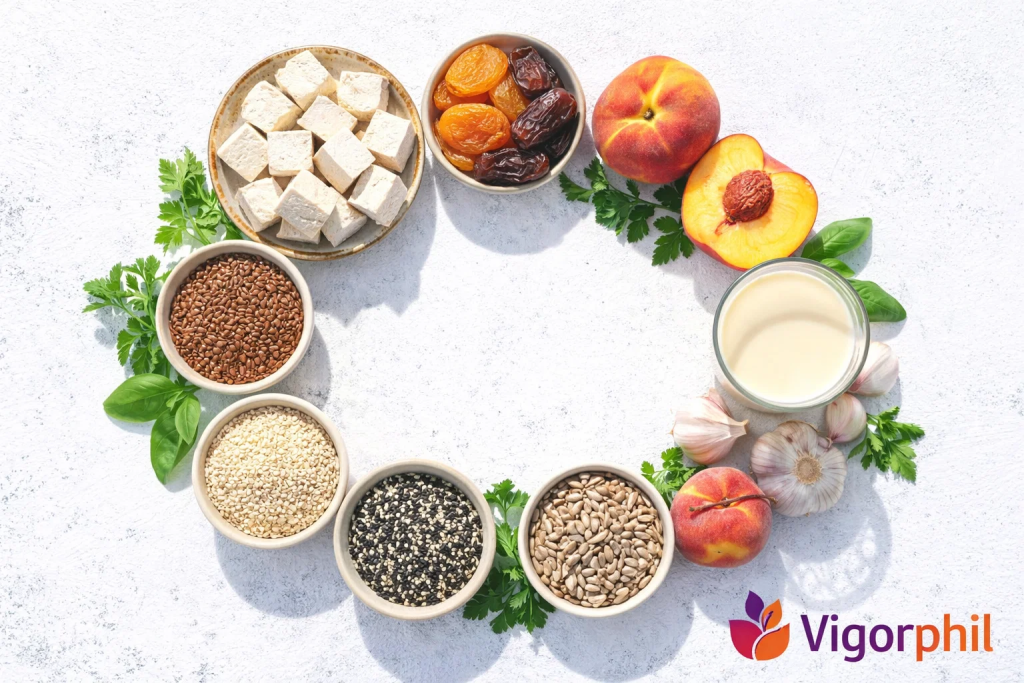
Soya Products: Soya (also spelled soy) tops the list of phytoestrogen-containing foods. Organic, non-GMO tofu, soya chunks, tempeh, and unsweetened soya milk all provide concentrated sources of these beneficial plant compounds. Nutritionists explain that regular soya consumption helps restore hormonal equilibrium by gently supporting healthy estrogen levels without the risks associated with synthetic hormone replacement.
Include soya in your diet three to four times weekly by adding cubed tofu to stir-fries, blending soya milk into smoothies, or incorporating soya chunks into curries and stews. Choose organic varieties whenever possible to avoid pesticide residues and genetic modification.
Seeds for Hormone Balance: Small but mighty, certain seeds pack powerful hormone-balancing benefits. Flaxseeds contain lignans, a type of phytoestrogen that supports estrogen metabolism. Sesame seeds provide both phytoestrogens and healthy fats that support hormone production. Sunflower seeds offer vitamin E and selenium, nutrients crucial for reproductive health.
Incorporate these seeds into your daily routine by sprinkling one to two tablespoons on salads, blending them into smoothies, or enjoying them as crunchy snacks. Grinding flaxseeds fresh before consumption maximizes nutrient absorption.
Fruits and Aromatics: Dried fruits like dates, prunes, and apricots contain moderate amounts of phytoestrogens along with fiber, minerals, and natural sweetness. Fresh peaches offer phytoestrogens plus vitamin C and antioxidants. Garlic, while not typically associated with hormone balance, contains compounds that support healthy hormone metabolism and should be included regularly in cooking.
You can find premium-quality seeds, organic soya products, and other natural health solutions carefully selected for hormone balance in our health store at https://vigorphil.com/healthstore.
Whole Grains and Legumes: Fiber and Protein for Hormone Health
Whole Grains: Intact whole grains provide fiber that helps eliminate excess hormones from the body through regular bowel movements. When hormones are properly metabolized and eliminated, they cannot recirculate and contribute to imbalance.
Steel-cut oats deliver soluble fiber that binds to hormones in the digestive tract. Barley contains nutrients that support liver function, and the liver is responsible for processing and breaking down excess hormones. Rice bran offers concentrated B vitamins and minerals that stabilize hormone production.
Include a serving of whole grains with breakfast and lunch daily. Choose steel-cut oats instead of instant varieties, select whole grain barley over pearled, and look for minimally processed options whenever possible.
Legumes: Beans and lentils provide a triple benefit: plant-based protein, fiber, and phytoestrogens. This combination supports stable blood sugar, healthy weight management, and improved hormone balance.
Red lentils, green lentils, and moong beans (mung beans) are particularly beneficial for women's reproductive health. They're easily digestible, versatile in cooking, and rich in folate, iron, and other nutrients that support hormonal function.
Health specialists recommend incorporating various legumes into your meal plans three to five times weekly. Prepare large batches and store them in the refrigerator for easy addition to salads, soups, and grain bowls throughout the week.
Cruciferous Vegetables: Natural Hormone Metabolizers
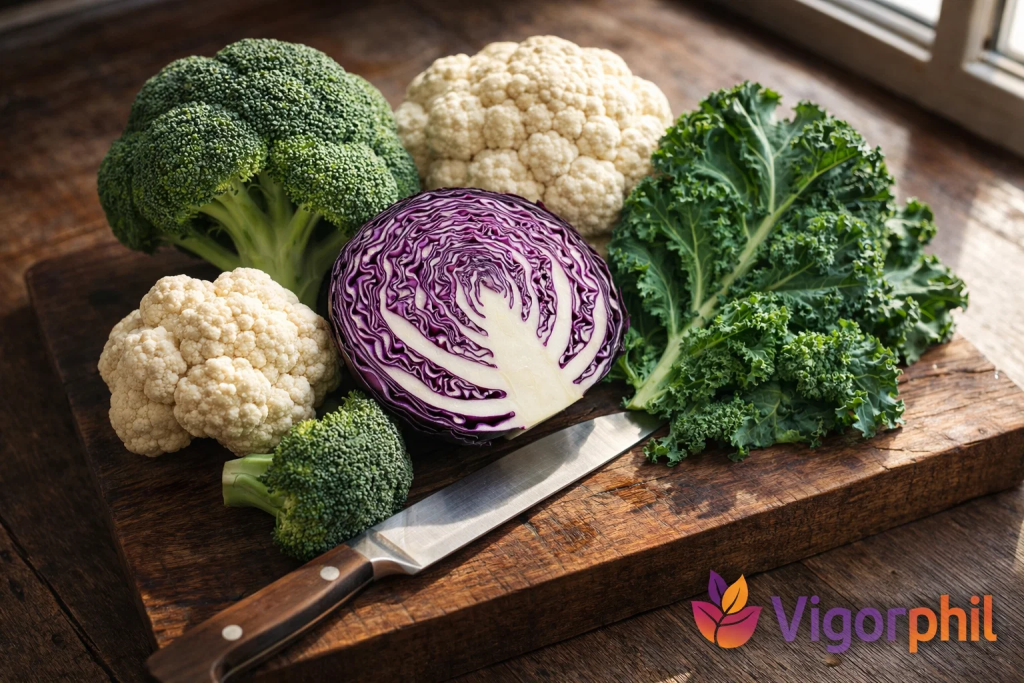
Vegetables from the cruciferous family contain unique compounds called glucosinolates, which convert to indole-3-carbinol (I3C) during digestion. I3C supports healthy estrogen metabolism, helping the body break down and eliminate excess estrogen more efficiently. This is particularly important because poor estrogen metabolism can lead to a relative androgen excess even when testosterone levels are normal.
Key Cruciferous Vegetables:
Broccoli, cauliflower, cabbage, Brussels sprouts, kale, and bok choy all belong to this beneficial family. Each provides slightly different nutrient profiles, so rotating through various cruciferous vegetables ensures comprehensive hormone support.
Preparation Tips: Light steaming or quick sautéing preserves the beneficial glucosinolates better than heavy boiling or prolonged cooking. Aim for vegetables that are tender but still slightly crisp. Overcooking destroys heat-sensitive compounds and reduces nutritional value.
Include at least one serving of cruciferous vegetables daily, preferably two. Add steamed broccoli to grain bowls, include cabbage in stir-fries, or enjoy roasted cauliflower as a satisfying side dish.
Important Dietary Considerations and Restrictions
Before dramatically increasing your intake of phytoestrogen-rich foods, verify that you don't have allergies or sensitivities to soya or other specific ingredients. Some women experience digestive discomfort when first adding soya to their diet; start with small amounts and gradually increase consumption.
Individuals with thyroid conditions should consult with a healthcare practitioner before significantly increasing soya consumption, as high amounts may interfere with thyroid hormone synthesis in some cases. Cooking soya products and consuming adequate iodine typically prevents this issue.
Foods to Avoid: For optimal hormone balance and to reduce facial hair in women naturally, eliminate or significantly reduce these hormone-disrupting foods:
- Refined sugars and high-glycemic carbohydrates that spike insulin
- Processed foods containing synthetic additives and preservatives
- Inflammatory vegetable oils (corn, soybean, canola)
- Excessive caffeine from coffee and energy drinks
- Alcohol, which disrupts hormone metabolism in the liver
- All animal products except Greek yogurt, which provides beneficial probiotics
The Weight Loss and Hormone Connection
Excess body weight significantly impacts hormonal balance in complex ways. Fat tissue, particularly visceral fat around the abdomen, functions as an endocrine organ that produces hormones and inflammatory compounds. Understanding this connection helps explain why sustainable weight loss often improves facial hair growth and other symptoms of hormonal imbalance.
How Excess Weight Disrupts Hormones
When body fat percentage climbs too high, several problematic hormonal changes occur:
Increased Aromatase Activity: Fat cells contain an enzyme called aromatase, which converts androgens to estrogen. While this might seem beneficial for women with low estrogen, the estrogen produced in fat tissue is often a less beneficial form that can contribute to estrogen dominance relative to progesterone.
Insulin Resistance: Excess weight, particularly abdominal obesity, leads to insulin resistance. When cells become resistant to insulin, the pancreas produces more insulin to compensate. High insulin levels signal the ovaries to produce more testosterone, directly contributing to facial hair growth.
Inflammation: Adipose tissue produces inflammatory cytokines that disrupt normal hormone signaling throughout the body. Chronic low-grade inflammation interferes with reproductive hormone balance and can worsen PCOS symptoms.
Reduced SHBG: Sex hormone binding globulin (SHBG) acts like a sponge that soaks up excess testosterone and estrogen in the bloodstream. Obesity reduces SHBG production, leaving more free testosterone circulating in the blood and available to stimulate facial hair growth.
Natural Weight Loss Strategies for Hormone Balance
Sustainable weight loss through plant-based nutrition and regular physical activity can restore hormonal equilibrium naturally. Wellness specialists emphasize that the goal should be gradual, consistent progress rather than rapid weight loss, which can actually worsen hormonal disruption.
Nutritional Approach:
Focus on whole, minimally processed plant foods that stabilize blood sugar and reduce inflammation. Fill half your plate with non-starchy vegetables at every meal. Include a palm-sized portion of plant protein from legumes, tofu, or tempeh. Add a small serving of whole grains for sustained energy. Include healthy fats from nuts, seeds, or avocado in moderate amounts.
Eliminate refined sugars, processed foods, and inflammatory oils. These substances trigger insulin spikes, promote fat storage, and contribute to hormonal chaos. Replace sugary beverages with water, herbal tea, or infused water with fresh fruit and herbs.
Physical Activity:
Both cardiovascular exercise and strength training support weight loss and hormone balance. Cardiovascular activities like brisk walking, swimming, or cycling improve insulin sensitivity. Strength training builds lean muscle mass, which increases metabolic rate and helps regulate blood sugar.
Aim for at least one hundred fifty minutes of moderate-intensity activity weekly, spread throughout the week for consistency. Even ten to fifteen minute movement sessions throughout the day provide cumulative benefits.
To make implementing these nutritional strategies easier, we've carefully selected premium whole food products and natural supplements available at our health store: https://vigorphil.com/healthstore.

Movement Practices for Hormonal Health
Breathing Practices
Abdominal Breathing: Deep belly breathing activates the parasympathetic nervous system, reducing stress hormones that interfere with reproductive hormone balance. Place one hand on your chest and one on your belly. Breathe deeply so only the hand on your belly rises. Practice for five to ten minutes daily.
Walking for Hormone Balance
Regular walking provides excellent support for overall hormonal health without requiring special equipment or training. Brisk walking improves insulin sensitivity, supports weight management, reduces stress, and promotes better sleep, all of which contribute to hormone balance.
Specialists suggest thirty minutes of brisk walking most days of the week. Break this into shorter segments if needed; three ten-minute walks provide similar benefits to one thirty-minute session.
The Empowerment Mindset: Self-Acceptance and Proactive Change
Perhaps the most important aspect of addressing facial hair involves cultivating an empowering mindset that balances self-acceptance with proactive health improvement.
Your Body Deserves Respect
Unwanted facial hair doesn't diminish your worth, beauty, or femininity. In a world that often places unrealistic expectations on women's appearance, remember that your value as a person remains constant regardless of how your body looks. Facial hair is simply a physical manifestation of hormonal imbalance, not a character flaw or personal failure.
Many women report that the emotional distress caused by facial hair exceeds the actual physical impact. The shame, embarrassment, and self-consciousness can affect relationships, career confidence, and overall quality of life. Recognizing these feelings as valid while also understanding that they stem from societal pressures rather than reality can provide emotional relief.
Active Problem-Solving Creates Change
While self-acceptance is crucial, accepting your body doesn't mean ignoring health signals or avoiding action. Facial hair often indicates underlying hormonal imbalance that may affect other aspects of your health beyond appearance. Working proactively to address the root cause benefits your entire wellbeing, not just your appearance.
Health practitioners wisely note that actively addressing problems yields results, while passive acceptance without action leaves issues unchanged. This doesn't mean obsessing over every hair or pursuing perfection. It means making consistent, sustainable lifestyle changes that support your body's natural balance.
Patience with Natural Approaches
Natural remedies work gradually, supporting your body's innate healing abilities rather than forcing rapid change through synthetic hormones or harsh chemicals. This slower pace can feel frustrating when you want immediate results, but it produces more sustainable, lasting improvements without side effects.
Expect to notice initial changes within three to four weeks of consistent implementation. Hair may appear lighter, finer, or slower to regrow. Skin quality often improves before hair reduction becomes obvious. Within two to three months, most women notice significant improvements in both hair growth and overall hormonal symptoms.
Comprehensive Action Plan: Putting It All Together
Successfully reducing facial hair in women naturally requires a comprehensive approach that addresses both symptoms and root causes. Here's how to implement everything you've learned:
Week 1-2: Foundation Building
Topical Treatments: Choose one of the three topical remedies discussed (turmeric-gram flour, sugar exfoliation, or honey-lemon) based on your skin type and preferences. Begin applying your chosen treatment according to the recommended schedule. Mark your calendar to track applications and results.
Dietary Changes: Eliminate processed foods, refined sugars, and inflammatory oils. Begin incorporating phytoestrogen-rich foods like soya products, seeds, and legumes. Add one serving of cruciferous vegetables daily.
Movement: Start with gentle walking for fifteen to twenty minutes daily. If you're already active, add two to three yoga sessions focusing on reproductive health poses.
Week 3-4: Deepening Practice
Topical Treatments: Continue your chosen topical treatment consistently. Take photos weekly to track progress, as gradual changes can be hard to notice day-to-day.
Nutrition: Increase phytoestrogen foods to three to four servings weekly. Ensure you're eating legumes regularly and including whole grains at most meals. Experiment with new recipes that incorporate hormone-balancing ingredients.
Movement: Increase walking to thirty minutes most days. Add abdominal breathing practice for five to ten minutes daily before bed.
Weight Management: If needed, focus on gradual, sustainable weight loss through whole food nutrition and regular activity. Aim for one to two pounds weekly, which supports hormonal balance without triggering stress responses.
Month 2-3: Refinement and Optimization
Topical Treatments: Assess results and adjust frequency if needed. Some women find that reducing application to every other day maintains results once initial improvements appear.
Nutrition: Fine-tune your diet based on how you feel. Notice which foods make you feel energized versus sluggish. Continue emphasizing whole, plant-based foods with plenty of hormone-balancing ingredients.
Movement: Establish a sustainable routine you can maintain long-term. Consistency matters more than intensity when it comes to hormonal health.
Tracking: Monitor not just facial hair but other hormonal symptoms. Notice improvements in energy, mood, sleep quality, menstrual regularity, skin clarity, and overall wellbeing.
Beyond Facial Hair: Additional Benefits of Hormone Balance
As you implement these natural strategies to reduce facial hair in women naturally, you'll likely notice improvements in many other areas of your health and wellbeing:
Energy Levels: Balanced hormones support stable energy throughout the day, reducing the afternoon crashes and fatigue many women experience.
Mood Stability: Reproductive hormone balance directly affects neurotransmitter production. As hormones stabilize, mood swings, anxiety, and depression often improve.
Sleep Quality: Both estrogen and progesterone influence sleep architecture. Improved hormone balance typically leads to deeper, more restorative sleep.
Menstrual Regularity: For women still menstruating, hormone-balancing interventions often regulate previously irregular cycles.
Skin Clarity: The same hormonal imbalances that cause facial hair often trigger acne. As androgen levels normalize, skin typically becomes clearer.
Weight Management: Balanced hormones support healthy metabolism, making weight loss easier and weight maintenance more sustainable.
Cognitive Function: Sex hormones influence brain function, affecting memory, focus, and mental clarity. Many women report improved cognitive performance as hormones balance.
These additional benefits reinforce that facial hair reduction represents just one visible indicator of broader improvements in hormonal health. The natural approaches discussed here support your entire endocrine system, creating positive ripple effects throughout your body.

Important Safety Considerations and When to Seek Professional Help
While natural remedies are generally safe and well-tolerated, certain situations warrant professional medical evaluation:
Seek Medical Attention If:
- Facial hair appears suddenly or grows rapidly over a short period
- You develop other signs of high androgens like deepening voice, increased muscle mass, or male pattern baldness
- You have irregular or absent menstrual periods
- You experience pelvic pain or abnormal vaginal bleeding
- You're trying to conceive without success
- You notice a lump or mass in your pelvic area
- Natural interventions produce no improvement after three to six months of consistent implementation
Professional Testing: Healthcare providers can order blood tests to measure hormone levels, including testosterone, estrogen, progesterone, DHEA-S, and other relevant markers. They can also perform ultrasounds to check for ovarian cysts or other structural abnormalities. This testing helps identify specific imbalances and guides treatment decisions.
Disclaimer: The information provided in this article is for educational purposes only and does not constitute medical advice. Always consult with qualified healthcare practitioners before making significant changes to your diet, supplement regimen, or healthcare routine, especially if you have existing medical conditions or take medications. Natural remedies can be powerful tools for health, but they work best when integrated into comprehensive care under professional guidance.
Conclusion: Your Journey to Hormonal Balance Starts Today
Unwanted facial hair doesn't have to be a permanent source of distress or embarrassment. By understanding the hormonal mechanisms that trigger hair growth and implementing evidence-based natural remedies, you can reduce facial hair in women naturally while simultaneously improving your overall health and wellbeing.
The seven strategies outlined in this comprehensive guide—topical treatments with turmeric, sugar, and honey; phytoestrogen-rich nutrition; whole grains and legumes; cruciferous vegetables; sustainable weight loss; targeted movement practices; and an empowering mindset—work synergistically to restore hormonal balance from multiple angles.
Remember that natural approaches require patience and consistency. You're supporting your body's innate healing mechanisms rather than forcing rapid change through synthetic interventions. Within weeks to months, depending on the severity of your hormonal imbalance, you'll notice thinner, lighter facial hair alongside numerous other health improvements.
Take the first step today by choosing one topical treatment and one dietary change to implement this week. Build momentum gradually, adding new strategies as previous ones become habitual. Track your progress through photos and journaling to stay motivated during the gradual transformation process.
Your face will glow with health because you've invested in understanding and addressing the root cause. You'll feel more vibrant and confident because you've taken proactive steps toward true wellness. The journey to hormonal balance is deeply personal and profoundly worthwhile.
Ready to transform your hormonal health naturally? Start implementing these evidence-based remedies today, and explore our carefully curated natural health products at https://vigorphil.com/healthstore to support your wellness journey with premium-quality ingredients and supplements specifically chosen for hormone balance.
Have questions about reducing facial hair naturally? Success stories to share? Drop them in the comments below—your experience might inspire another woman on her journey to hormonal balance. Don't forget to subscribe to our newsletter for exclusive natural health insights, recipes, and wellness tips delivered weekly to your inbox!