
Discovering clumps of hair on your pillow or in the shower drain can be alarming. But before you panic, here's something important you need to know. Losing up to 100 hair strands daily is completely normal and actually indicates healthy hair turnover. Your body intelligently sheds weak strands to make room for stronger, healthier growth. The real concern begins when hair loss exceeds this natural range, signaling deeper imbalances that need attention.
The encouraging news is that natural hair loss remedies can address excessive shedding without harsh chemicals or expensive treatments. Your kitchen likely contains powerful ingredients that strengthen follicles, promote growth, and restore your hair's natural vitality. This comprehensive guide explores proven solutions backed by traditional wisdom and scientific understanding.
Understanding Hair Loss: When Natural Becomes Excessive
Hair growth follows a predictable cycle involving growth, transition, and shedding phases. This biological rhythm ensures continuous renewal, with old strands falling away as new ones emerge. However, when shedding accelerates beyond normal ranges, something has disrupted this delicate balance.
Your body treats hair as a non-essential tissue during times of stress or nutrient scarcity. When resources become limited, your system prioritizes vital organs over cosmetic features like hair. This survival mechanism explains why illness, poor nutrition, or chronic stress often manifest as increased hair loss.
The key to preventing excessive shedding lies in identifying and addressing root causes rather than merely treating symptoms. Surface-level solutions provide temporary relief at best. True healing requires understanding what your body needs to maintain healthy hair growth.
Common Causes of Excessive Hair Loss
Hereditary and Genetic Factors
Family history significantly influences hair loss patterns. If your parents or grandparents experienced thinning hair, you face higher risks of similar challenges. While genetics create predispositions you cannot completely eliminate, natural hair loss remedies can slow progression and dramatically improve hair quality. The goal becomes working with your genetic blueprint rather than against it.
Nutritional Deficiencies
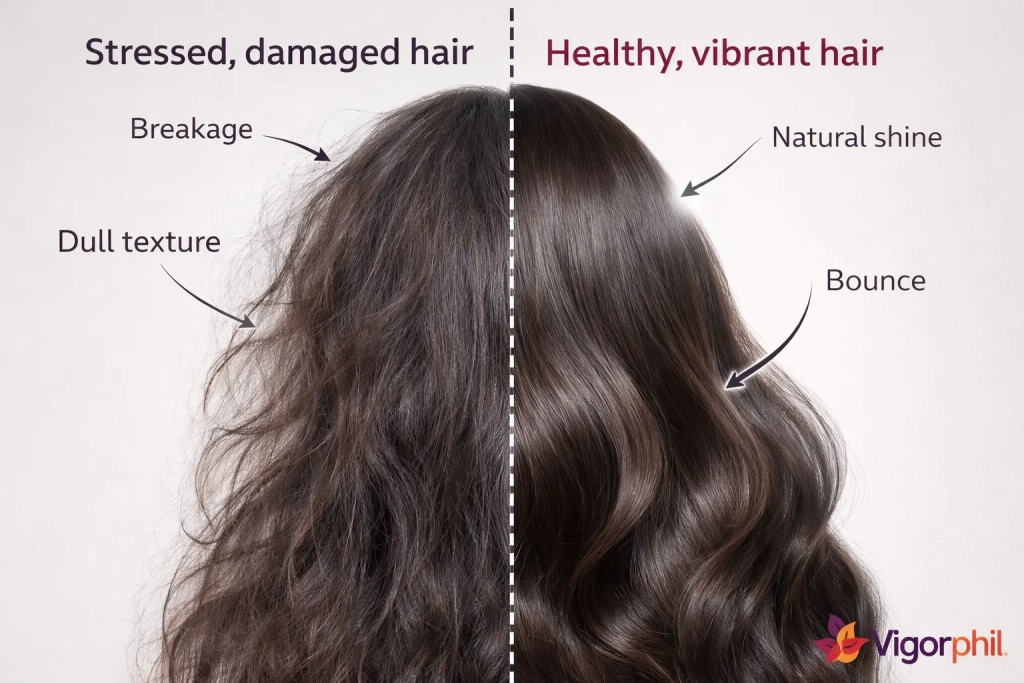
Your hair directly reflects your internal nutritional status. Iron deficiency weakens follicles and reduces oxygen delivery to your scalp, starving hair at the cellular level. Calcium deficiency compromises hair structure and strength, making strands brittle and prone to breakage. Anemic conditions create cascading effects throughout your body, with hair suffering among the first visible symptoms.
When your diet lacks essential vitamins and minerals, your body redistributes available nutrients to critical functions. Hair receives lower priority, resulting in thinner, weaker strands that fall prematurely. This nutritional hierarchy explains why improving your diet often produces rapid hair health improvements.
Medical Conditions and Medications
Sinusitis, persistent respiratory infections, and chronic inflammatory conditions require medications that frequently list hair loss as side effects. These pharmaceuticals disrupt your body's natural balance, interfering with hormone production and nutrient absorption. The treatment necessary for one health issue inadvertently creates another.
Understanding these connections empowers you to discuss alternatives with healthcare providers or implement supportive natural remedies alongside necessary medications.
Stress and Hormonal Imbalances
Chronic stress triggers your body's fight-or-flight response, flooding your system with cortisol and adrenaline. These stress hormones directly attack hair follicles, pushing them into premature resting phases where growth stops and shedding accelerates. When you live in constant worry, your body diverts energy away from non-essential functions like maintaining thick, healthy hair.
The stress-hair loss connection creates a vicious cycle. Worrying about thinning hair increases stress levels, which causes more hair loss, leading to greater anxiety. Breaking this cycle requires both physical interventions and mental health strategies.
Scalp Health and Hygiene Issues
Dandruff, product buildup, and poor cleansing habits create hostile environments for hair growth. Dead skin cells, excess oils, and styling product residue suffocate follicles, preventing proper oxygenation and nutrient delivery. Inflammation from dandruff weakens hair at the root, making strands more likely to fall before reaching full length.
Maintaining optimal scalp health provides the foundation for everything else you do to improve hair growth.
Chemical Damage
Hair dyes, bleaches, chemical straighteners, and perms contain harsh ingredients that strip natural protective oils from your hair shaft. Each chemical treatment sacrifices long-term hair health for temporary aesthetic changes. The cumulative damage from repeated treatments eventually becomes irreversible, destroying follicles' ability to produce healthy hair.
Watch our complete video guide above for a visual walkthrough of these natural remedies and demonstrations of proper application techniques.
For a more detailed explanation with visual demonstrations, watch our complete video guide above. Don't forget to subscribe to our YouTube channel for weekly natural health tips and holistic wellness advice!
Natural Hair Loss Remedies: Dietary Solutions for Stronger Hair
What you eat becomes the literal building blocks for new hair growth. A nutrient-dense, plant-based diet provides everything your follicles need to produce strong, resilient strands. Focusing on whole foods rich in specific vitamins and minerals creates optimal conditions for hair health.
Essential Nutrients for Hair Growth
Iron and Calcium-Rich Foods
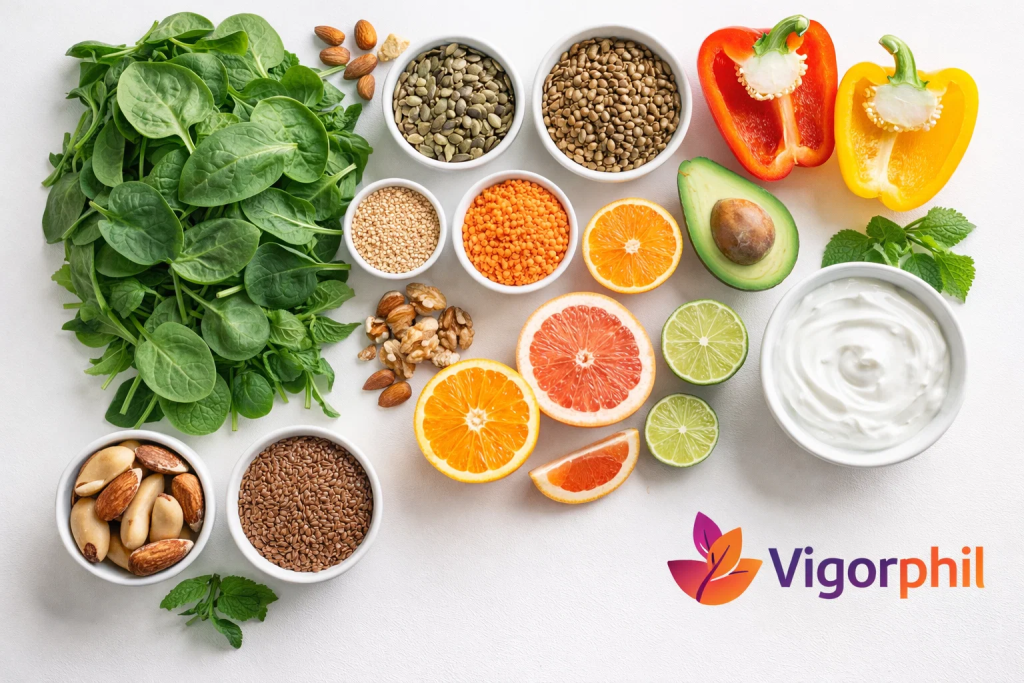
Dark leafy greens like spinach, kale, and Swiss chard deliver abundant iron and calcium in easily absorbable forms. These vegetables also provide folate, vitamin A, and antioxidants that support overall hair health. Legumes including lentils, chickpeas, and black beans offer protein and iron without animal products. Your hair is primarily composed of keratin, a protein structure requiring adequate amino acid intake.
Seeds deserve special attention in any hair health diet. Pumpkin seeds provide zinc, which regulates hormone balance and supports follicle health. Sunflower seeds offer vitamin E, a powerful antioxidant protecting hair from oxidative stress. Flax seeds and chia seeds contain omega-3 fatty acids that nourish follicles from within, reducing inflammation and promoting healthy growth cycles.
Vitamin C: The Hair Strengthening Powerhouse
Vitamin C plays multiple crucial roles in hair health. It strengthens follicles at the cellular level, enhances iron absorption from plant foods, and stimulates collagen production necessary for hair structure. This vitamin also acts as a powerful antioxidant, protecting hair follicles from free radical damage that accelerates aging and weakening.
Citrus fruits like oranges, lemons, and grapefruits provide obvious vitamin C sources. However, bell peppers contain even higher concentrations, particularly red varieties. Strawberries, guavas, kiwis, and papayas offer excellent amounts while providing additional beneficial compounds. Including diverse vitamin C sources ensures comprehensive nutritional support.
Greek Yogurt: The Acceptable Exception
Greek yogurt represents the only dairy product recommended for hair health. It delivers high-quality protein essential for keratin production and beneficial probiotics that improve nutrient absorption. The bacteria in Greek yogurt support gut health, which directly impacts your body's ability to extract and utilize nutrients from all foods you consume.
Consume Greek yogurt in moderation, viewing it as a supplementary protein source rather than a dietary staple. Focus primarily on plant-based proteins for optimal health outcomes.
Looking for high-quality, plant-based supplements to support your hair health journey? Explore our carefully curated selection of natural health products at https://vigorphil.com/healthstore, where we've assembled premium options specifically chosen for their purity and effectiveness.
Foods to Avoid
Processed foods, refined sugars, and artificial additives create systemic inflammation that extends to your scalp. These substances disrupt hormone balance, interfere with nutrient absorption, and steal resources your body needs for hair production. Trans fats and excessive sodium damage blood vessels, reducing circulation to your scalp and limiting follicle nourishment.
Hydration's Critical Role
Water carries nutrients to hair follicles through your bloodstream and removes metabolic waste products that can accumulate and cause damage. Dehydration concentrates toxins in your system, creating inflammatory conditions that impair hair growth. Aim for at least eight glasses daily, increasing intake during exercise or hot weather.
Powerful Kitchen Remedies for Hair Loss
Nature provides remarkably effective solutions for hair loss using simple, accessible ingredients. These natural hair loss remedies have been used for generations across various cultures, with many now supported by modern scientific research. The beauty of these treatments lies in their simplicity, affordability, and lack of harmful side effects.
Amla and Lemon Hair Strengthening Mask
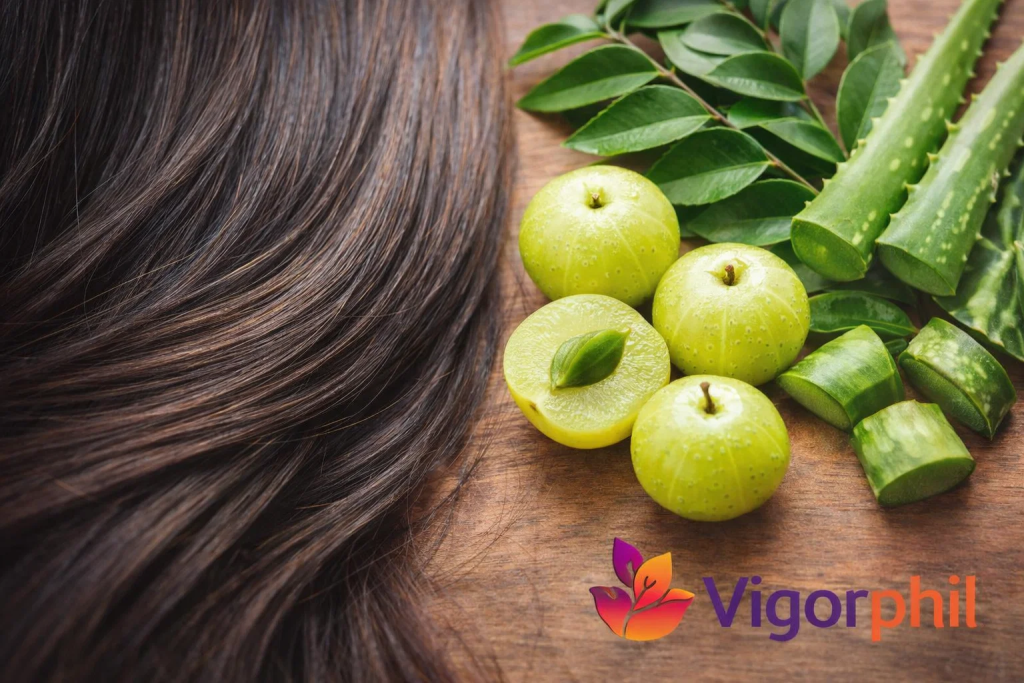
Amla, known scientifically as Phyllanthus emblica and commonly called Indian gooseberry, ranks among the richest natural vitamin C sources available. This small green fruit contains approximately 20 times more vitamin C than oranges, making it exceptionally powerful for hair health. When combined with lemon juice, which adds additional vitamin C plus citric acid for pH balancing, you create a treatment that addresses multiple hair health factors simultaneously.
How This Treatment Works:
The concentrated vitamin C in this mask strengthens hair follicles at the cellular level by supporting collagen synthesis. Collagen forms the structural foundation of hair strands, and adequate vitamin C ensures your body produces sufficient amounts. The antioxidants in both ingredients neutralize free radicals that damage follicles and accelerate aging. Additionally, the acidic nature of this treatment helps seal hair cuticles, enhancing shine and reducing frizz.
Application Instructions:
Take two tablespoons of amla powder and gradually add fresh lemon juice while mixing until you achieve a smooth, spreadable paste. The consistency should resemble thick yogurt—substantial enough to stay on your scalp without dripping down your neck. Apply this mixture directly to your scalp, using your fingertips to massage it in with gentle circular motions. Work systematically to ensure complete scalp coverage.
Leave the mask on for 30 to 45 minutes. During this time, the vitamin C penetrates your scalp, nourishing follicles and strengthening hair at the root. For enhanced effectiveness, cover your hair with a shower cap to prevent the mixture from drying out prematurely. Rinse thoroughly with lukewarm water, then follow with a mild, natural shampoo to remove any residue.
Use this treatment twice weekly for optimal results. Most people notice reduced shedding within three to four weeks of consistent application.
Aloe Vera: Nature's Hair Conditioner
Aloe vera gel contains over 75 active compounds including vitamins, minerals, enzymes, amino acids, and polysaccharides. This complex nutritional profile makes it one of the most versatile natural hair loss remedies available. The plant's gel penetrates the hair shaft, delivering deep moisture and nutrients that repair damage from within.
Scientific Backing:
Research shows aloe vera contains proteolytic enzymes that repair dead skin cells on the scalp, clearing follicle openings and allowing better nutrient absorption. The gel's pH level closely matches hair's natural pH, maintaining optimal scalp conditions. Its anti-inflammatory properties soothe irritation and reduce conditions that contribute to hair loss.
Proper Application:
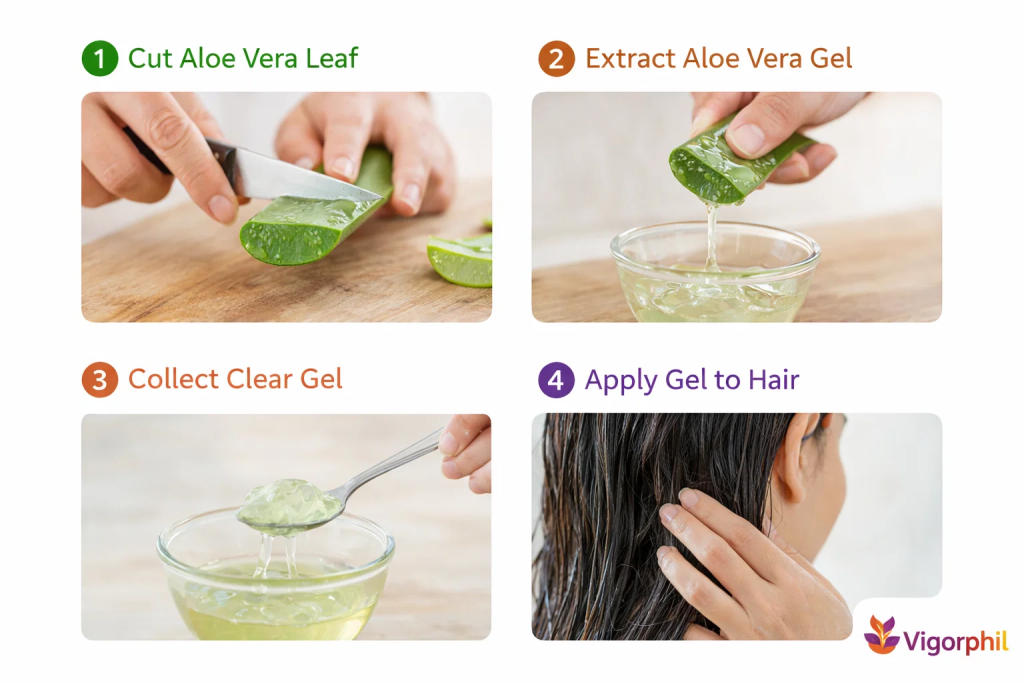
Using aloe vera correctly maximizes its benefits. Select a mature aloe leaf—thicker leaves from older plants contain more concentrated gel. Cut the leaf and carefully extract the clear, viscous gel inside. You need nothing else. No mixing, no additives, no complicated formulations.
Apply pure aloe vera gel directly to your scalp and hair, massaging thoroughly from roots to tips. The gel should coat every strand, creating a protective, nourishing layer. Leave it on for 45 minutes to one hour. The longer application time allows deeper penetration of nutrients and moisture. Some people prefer leaving it on overnight for intensive treatment, protecting their pillow with a towel.
Rinse with cool or lukewarm water. Hot water can strip beneficial compounds before they fully absorb. Aloe vera rinses cleanly without soap, though you may use a gentle shampoo if desired.
For weak, brittle hair showing significant damage, this treatment works remarkably well. Use it two to three times weekly for transformative results. You can find pure, organic aloe vera gel and other natural hair care solutions in our health store at https://vigorphil.com/healthstore, where quality and purity are guaranteed.
Curry Leaves and Coconut Oil Infusion
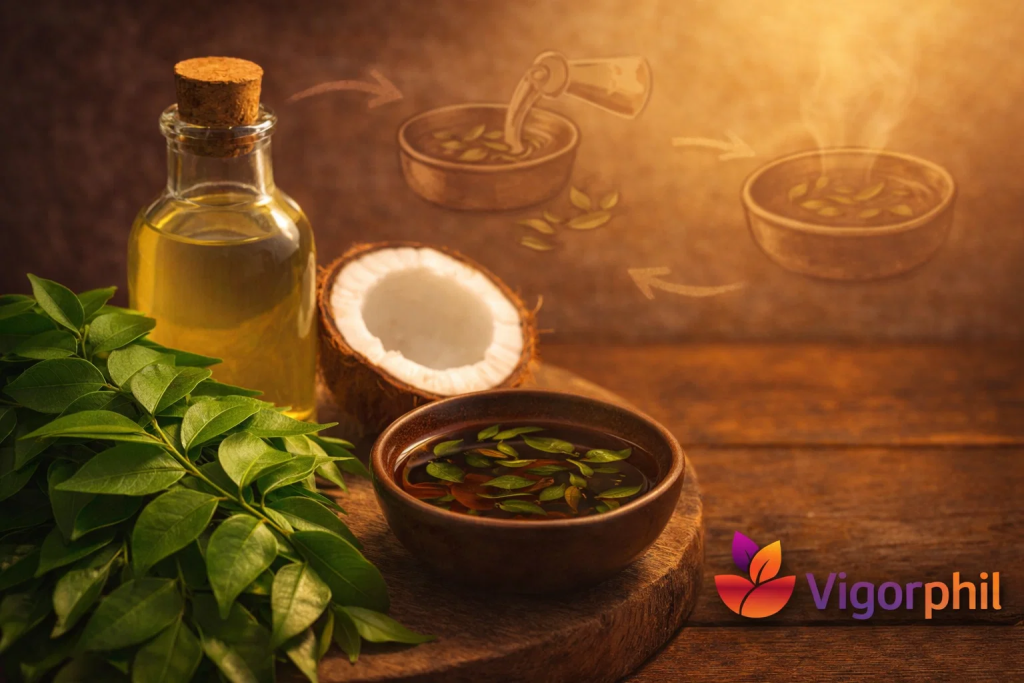
This traditional remedy combines two powerhouse ingredients that have maintained their popularity across generations. Curry leaves contain high concentrations of beta-carotene, proteins, and amino acids—all essential for preventing hair loss and stimulating new growth. The leaves also provide antioxidants that protect follicles from oxidative stress.
Coconut oil deserves its reputation as a superior hair treatment oil. Its unique fatty acid profile, particularly high lauric acid content, allows it to penetrate the hair shaft more effectively than other oils. This deep penetration delivers nutrients directly where they're needed most.
Preparation Process:
Take approximately 15 to 20 fresh curry leaves and rinse them thoroughly. Lightly roast the leaves in a dry pan over medium heat for one to two minutes. This roasting process releases aromatic compounds and makes nutrients more bioavailable. Add one cup of pure coconut oil to the pan with the roasted leaves.
Bring the mixture to a gentle boil, then reduce heat and simmer for 10 to 15 minutes. Continue heating until the mixture turns dark, almost blackish. This color change indicates that nutrients from the curry leaves have fully infused into the oil. The transformation is crucial—removing the oil too early results in less effective treatment.
Switch off the heat and allow the mixture to cool completely to room temperature. Strain the oil through a fine mesh strainer or cheesecloth to remove leaf particles. Store the infused oil in a clean glass bottle or jar. Properly stored, this preparation remains effective for up to three months.
Application Method:
Apply the curry leaf-infused coconut oil to your scalp, using enough to coat your entire scalp generously. Massage in slow, circular motions for five to ten minutes. This massage serves multiple purposes beyond simple application. The pressure stimulates blood flow to your scalp, delivering increased oxygen and nutrients to follicles. The mechanical action also helps the oil penetrate more deeply.
Leave the oil on for at least one hour. For intensive treatment, apply before bed and leave on overnight. Protect your pillow with an old towel. Wash out with a natural, gentle shampoo the next morning.
This treatment strengthens weak hair, reduces shedding dramatically, and adds natural shine and bounce. Use it once or twice weekly for best results.
Daily Practices That Transform Hair Health
Consistency matters more than intensity when building hair health. These simple daily practices, performed regularly, create dramatic improvements over time. Think of them as compound interest for your hair—small investments yielding substantial returns.
Scalp Massage: Your Daily Hair Growth Ritual
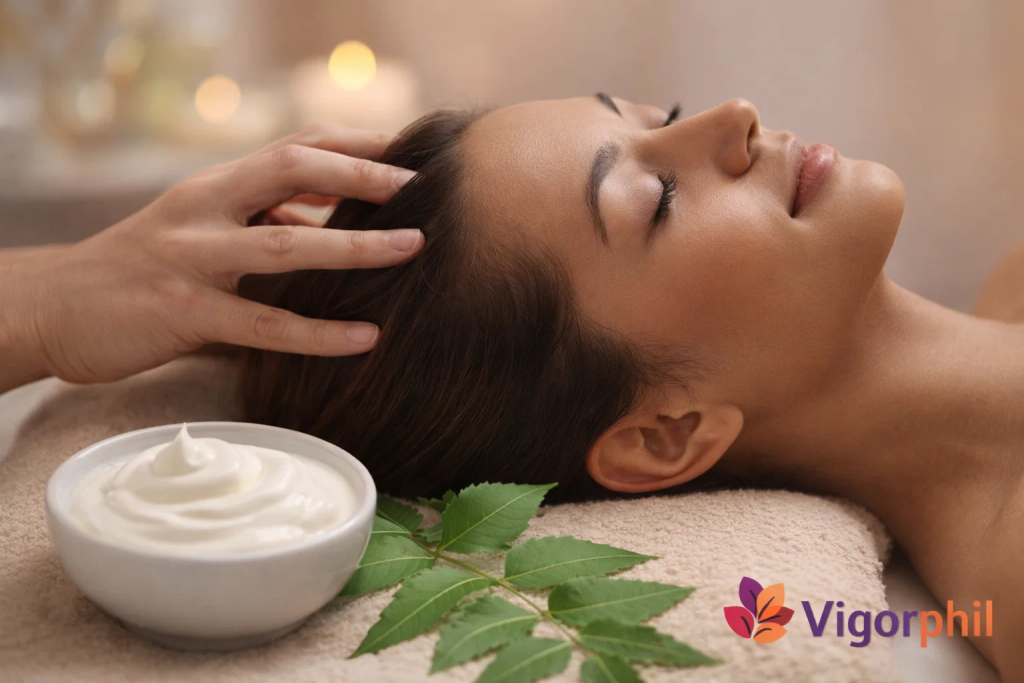
Scalp massage increases blood circulation to hair follicles by up to 300% according to some studies. This enhanced circulation delivers more oxygen, nutrients, and growth factors directly to follicle cells. Improved blood flow also removes metabolic waste products more efficiently, creating optimal conditions for hair production.
Dedicate five minutes daily to scalp massage. Use your fingertips—never your nails, which can scratch and damage your scalp. Apply gentle to moderate pressure, moving in circular motions. Start at your forehead and work backward toward the nape of your neck. Cover your entire scalp systematically.
The pressure should feel pleasant and slightly stimulating, never painful. Some people prefer massaging with a small amount of oil, while others massage on dry hair. Both approaches work effectively.
Back Combing for Circulation
This unconventional technique dramatically increases scalp circulation by temporarily reversing normal blood flow patterns. Take a wide-toothed comb—fine-toothed combs can cause unnecessary breakage and damage. Starting at the nape of your neck, comb forward toward your forehead. This backward motion forces blood toward your scalp, flushing follicles with fresh nutrients.
Perform this technique for two to three minutes daily. Avoid excessive force, which can damage hair. The goal is gentle stimulation, not aggressive brushing.
Natural Dandruff Treatments
Greek yogurt and buttermilk contain lactic acid and beneficial bacteria that eliminate dandruff-causing organisms. Before showering, apply either substance generously to your scalp, massaging thoroughly. Leave it on for 10 to 15 minutes, allowing the beneficial compounds to work. Rinse and follow with your regular shampooing routine.
The probiotics in these products restore healthy scalp microbiome balance. Many dandruff problems stem from microbial imbalances rather than dryness or poor hygiene. Addressing the root cause produces lasting results.
Neem Leaf Water Rinse
Neem possesses powerful antibacterial, antifungal, and anti-inflammatory properties. Regular use prevents infections that contribute to hair loss while soothing scalp irritation. Boil a generous handful of fresh neem leaves in two cups of water for ten minutes. Let the water cool to a comfortable temperature.
Use this neem-infused water as a final rinse after shampooing. Pour it over your scalp and hair, massaging it in briefly. Don't rinse it out—leave it on. Your hair may smell slightly bitter temporarily, but this dissipates quickly. The protective benefits far outweigh any temporary scent concerns.
The Stress-Hair Loss Connection You Cannot Ignore
Stress destroys hair faster than almost any other single factor. Understanding this connection and implementing stress management strategies is crucial for maintaining healthy hair.
How Stress Attacks Your Hair
When you experience stress, your body releases cortisol, adrenaline, and other stress hormones. These chemicals trigger inflammatory responses throughout your body, including your scalp. Chronic inflammation damages hair follicles, disrupting normal growth cycles.
Stress hormones also push hair follicles into premature telogen (resting) phases. During telogen, follicles stop producing new hair and prepare to shed existing strands. When multiple follicles enter this phase simultaneously due to stress, you experience sudden, dramatic shedding called telogen effluvium.
Additionally, stress diverts your body's resources toward immediate survival functions, reducing nutrient delivery to non-essential tissues like hair. Blood vessels constrict under stress, limiting circulation to your scalp. Follicles essentially starve, producing thinner, weaker hair or stopping production entirely.
Stress Management for Hair Health
Deep Breathing Exercises
Deep, controlled breathing activates your parasympathetic nervous system, which counteracts stress responses. Spend ten minutes daily practicing slow, deep breaths. Inhale for a count of four, hold for four, exhale for six. This pattern maximizes oxygen delivery while calming your nervous system.
Regular practice reduces baseline cortisol levels, protecting your hair even during stressful situations. The cumulative effect builds over time—consistency matters more than duration.
Sleep Optimization
During deep sleep, your body produces growth hormones that stimulate hair follicle activity. Sleep deprivation disrupts these hormonal patterns, directly impacting hair health. Aim for seven to eight hours of quality sleep nightly.
Create optimal sleep conditions by keeping your bedroom dark, cool, and quiet. Avoid screens for one hour before bed—blue light interferes with melatonin production. Establish a consistent sleep schedule, going to bed and waking at the same times daily, even on weekends.
Building Confidence Beyond Hair
Remember that your worth extends far beyond your physical appearance. You are not defined by your hair thickness or fullness. Cultivating genuine self-acceptance reduces anxiety about hair loss, which ironically improves hair health by lowering stress levels.
Practice self-compassion. Speak to yourself as you would a dear friend facing similar challenges. Challenge negative self-talk about your appearance. Focus on qualities that truly define you—your kindness, intelligence, creativity, humor, and character.
When you embrace this truth deeply, stress about hair loss naturally decreases, breaking the cycle that perpetuates the problem.
Your Comprehensive Action Plan for Hair Health
Implementing natural hair loss remedies requires patience and consistency. Hair grows slowly—typically half an inch per month. Visible improvements take time. However, with dedicated effort, most people notice reduced shedding within four to six weeks and visible thickness improvements within three to four months.
Getting Started
Week 1-2: Foundation Building
Begin with dietary improvements. Add more iron-rich leafy greens, vitamin C-rich fruits, and plant-based proteins to every meal. Eliminate processed foods, refined sugars, and inflammatory ingredients. Increase water intake to at least eight glasses daily.
Start daily scalp massages and implement stress management practices. These habits require minimal time but deliver maximum impact.
Week 3-4: Adding Natural Treatments
Choose one natural treatment to implement weekly. Whether you select the amla and lemon mask, aloe vera gel, or curry leaf oil infusion, commit to consistent application. Don't judge effectiveness prematurely—give each remedy at least four to six weeks.
Add neem water rinses to your routine for scalp protection and health maintenance.
Month 2-3: Optimization and Adjustment
By now, you should notice reduced shedding. Assess which treatments work best for your specific hair type and needs. Some people respond better to aloe vera, while others see dramatic improvements with curry leaf oil. Customize your routine based on results.
Consider rotating treatments to provide diverse nutrients and prevent adaptation. Use aloe vera one week, then switch to amla and lemon the next.
Month 4+: Maintenance and Long-Term Success
Once you've established effective routines, focus on maintenance. Healthy hair requires ongoing commitment, not temporary intervention. The habits you've built should become automatic parts of your lifestyle.
Continue avoiding chemical treatments whenever possible. Let your natural hair shine through. Remember that temporary aesthetic satisfaction from chemicals never justifies the long-term damage they cause.
To make implementing these natural hair loss remedies easier, we've carefully selected premium, organic products available at our health store: https://vigorphil.com/healthstore. From pure amla powder to organic coconut oil, we've done the research to ensure you're getting the highest quality natural solutions.
Monitoring Progress
Take photos monthly to track progress objectively. Hair changes occur gradually, making day-to-day comparisons unreliable. Monthly photos provide clear evidence of improvements that might otherwise go unnoticed.
Keep a journal documenting which treatments you've used, how frequently, and any changes you observe. This record helps identify what works specifically for you, allowing continuous optimization.
When to Seek Professional Help
While natural remedies effectively address most hair loss cases, certain situations require professional medical evaluation. Seek healthcare provider consultation if you experience:
- Sudden, dramatic hair loss over days or weeks
- Patchy bald spots or uneven loss patterns
- Scalp pain, itching, or visible lesions
- Hair loss accompanied by other symptoms like fatigue, weight changes, or temperature sensitivity
- No improvement after three to four months of consistent natural treatment
These symptoms may indicate underlying medical conditions requiring professional diagnosis and treatment.
Conclusion: Embracing Your Natural Hair Journey
Healthy, beautiful hair doesn't require expensive products, complicated routines, or harsh chemical treatments. It requires understanding your body's needs and providing natural, wholesome solutions. The remedies shared throughout this guide represent time-tested wisdom now supported by scientific understanding.
Your hair journey is personal and unique. What works remarkably for one person may require adjustment for another. Embrace this experimentation process with patience and curiosity. Pay attention to how your hair responds to different treatments, and customize your approach accordingly.
Remember that true beauty radiates from health, confidence, and authenticity—not perfect hair. As you implement these natural hair loss remedies, focus on overall wellness rather than isolated aesthetic concerns. Healthy hair is a reflection of a healthy body and balanced life.
The path forward is clear: nourish your body with nutrient-dense foods, treat your hair with gentle, natural remedies, manage stress effectively, and trust the process. Your hair has remarkable regenerative capacity when given proper support.
Ready to transform your hair health naturally? Start implementing these evidence-based remedies today, and explore our carefully curated natural health products at https://vigorphil.com/healthstore to support your wellness journey. Have questions or success stories? Share them in the comments below, and don't forget to subscribe to our newsletter for exclusive natural health insights delivered weekly!
Which natural remedy will you try first? What challenges have you faced with hair loss? Join our community conversation in the comments, and let's support each other in our natural health journeys!